
Choosing the right plastic blister packaging trays is essential for protecting products during international shipping, storage, and handling. High-quality trays help businesses reduce product damage, maintain safety, and meet export requirements. For seafood exporters, food processors, electronics manufacturers, and industrial packaging
companies, selecting reliable packaging is a smart step toward long-term success.
1. Choose the Best Plastic Material
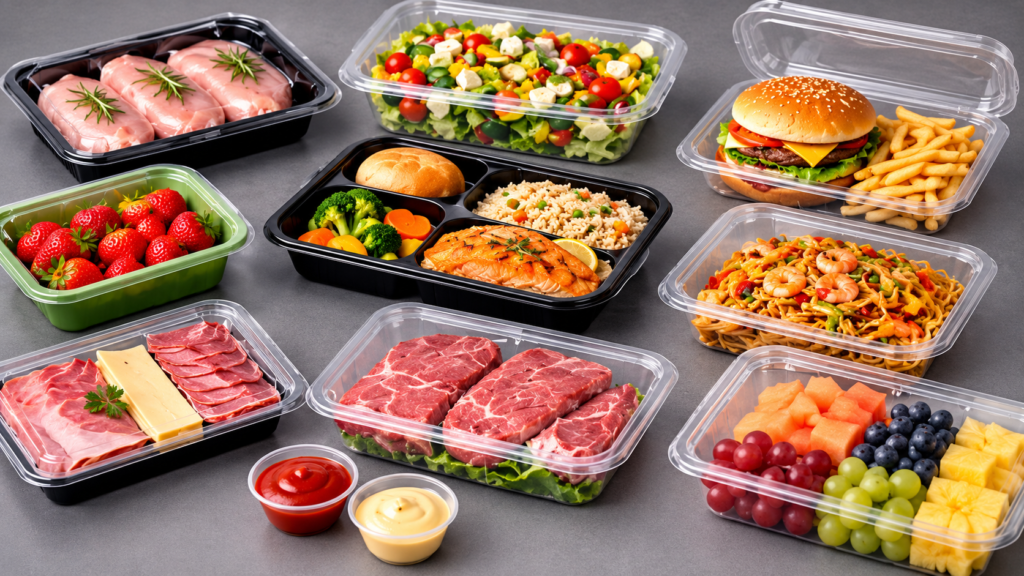
The right material makes a big difference in packaging quality. APET, RPET, HIPS, and PVC are commonly used to manufacture plastic blister packaging trays. Each material offers unique benefits in strength, clarity, flexibility, and durability.
- APET trays: Excellent clarity, reliable strength, and attractive product presentation.
- RPET trays: Recycled-content options that support sustainable packaging when suitable for the intended application.
- HIPS trays: Good impact resistance for industrial and selected food packaging applications.
- PVC trays: Useful for specific packaging needs, subject to applicable safety requirements.
For seafood exports, choose food grade plastic trays designed to withstand freezing, storage, and transportation conditions.
2. Check Food Safety and Export Compliance
Food safety is a top priority for seafood and food packaging. Always request material specifications, relevant test reports, and declarations of compliance from your packaging supplier.
Depending on the export destination, plastic trays may need to meet applicable European Union food-contact regulations or US FDA requirements. Verify that the selected material is suitable for the food type, contact conditions, and intended temperature.
Reliable documentation builds buyer confidence and supports smoother export operations.
3. Test Freezer Resistance and Durability
Seafood packaging trays must remain strong in demanding cold-chain conditions. If your products require blast freezing at -40°C and storage at -18°C, ensure the trays are tested under these conditions.
Check for cracking, brittleness, warping, and damage during handling. Durable trays help protect valuable seafood products and reduce costly packaging failures.
4. Inspect Dimensions and Manufacturing Quality
Consistent quality is essential for professional export packaging. Inspect the following features:
- Accurate length, width, depth, and dimensions.
- Uniform wall thickness and tray weight.
- Smooth edges and clean surfaces.
- Consistent shape and reliable stacking.
- Compatibility with packing and sealing equipment.
A trusted manufacturer should follow documented quality-control procedures for every production batch.
5. Verify Strength and Performance
Before placing a bulk order, request suitable performance tests. These may include impact resistance, stacking strength, dimensional stability, and drop testing of packed products.
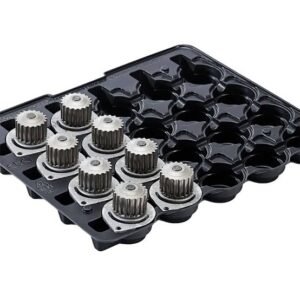
For seafood trays, freezer performance is particularly important. For electronics and industrial components, focus on load capacity, component protection, and secure product positioning.
6. Review Certificates and Traceability
Professional packaging suppliers should provide batch lot identification, material specifications, inspection records, and relevant laboratory reports. ISO 9001 certification can demonstrate a structured quality-management system, but it does not independently prove food-contact compliance.
Always verify that the documents match the actual product and the destination market.
Conclusion
Choosing high quality export plastic blister packaging trays requires serious attention to material selection, food safety, freezer resistance, dimensional accuracy, and durability. The right packaging partner can help protect your products, reduce export risks, and improve customer confidence.
For seafood exporters and international buyers, investing in reliable, tested, and compliant packaging is a powerful way to support product quality and build lasting business relationships.
Frequently Asked Questions (FAQs)
Q1. What are the key quality standards for export-quality plastic packaging trays?
Export-quality plastic packaging trays should meet the buyer’s specifications for material quality, dimensional accuracy, wall thickness, strength, surface finish, hygiene and packaging performance. Depending on the application and destination country, manufacturers may also need to comply with relevant food-contact regulations, testing requirements and quality management standards.
Q2. Which plastic materials are suitable for export-quality thermoformed packaging trays?
Common materials include APET (Amorphous Polyethylene Terephthalate), RPET (Recycled Polyethylene Terephthalate), PVC (Polyvinyl Chloride) and HIPS (High Impact Polystyrene). The appropriate material depends on the application, required strength, transparency, temperature resistance, food-contact suitability and destination-market requirements.
Q3. How can manufacturers ensure that plastic packaging trays are safe for food and seafood exports?
Manufacturers should select materials suitable for the intended food-contact application and verify compliance with the applicable regulations in the destination market. Quality checks may include material documentation, migration testing where required, hygiene controls, dimensional inspection and verification of performance under the intended chilled or frozen storage conditions.
Q4. What tests are important for checking the quality of export packaging trays?
Important checks include dimensional accuracy, wall-thickness distribution, visual inspection, impact resistance, load-bearing performance, stacking stability and product-fit testing. For seafood and frozen-food packaging, manufacturers should also validate tray performance at the specified processing, freezing, storage and transportation temperatures.
Q5. How can I choose a reliable manufacturer of export-quality plastic packaging trays in India?
Choose a manufacturer that understands export packaging requirements, offers application-specific material selection, provides consistent production quality and can manufacture trays to customised dimensions and designs. Ask for material specifications, relevant test reports, samples, quality inspection procedures and documentation required by your target market before placing a bulk order.